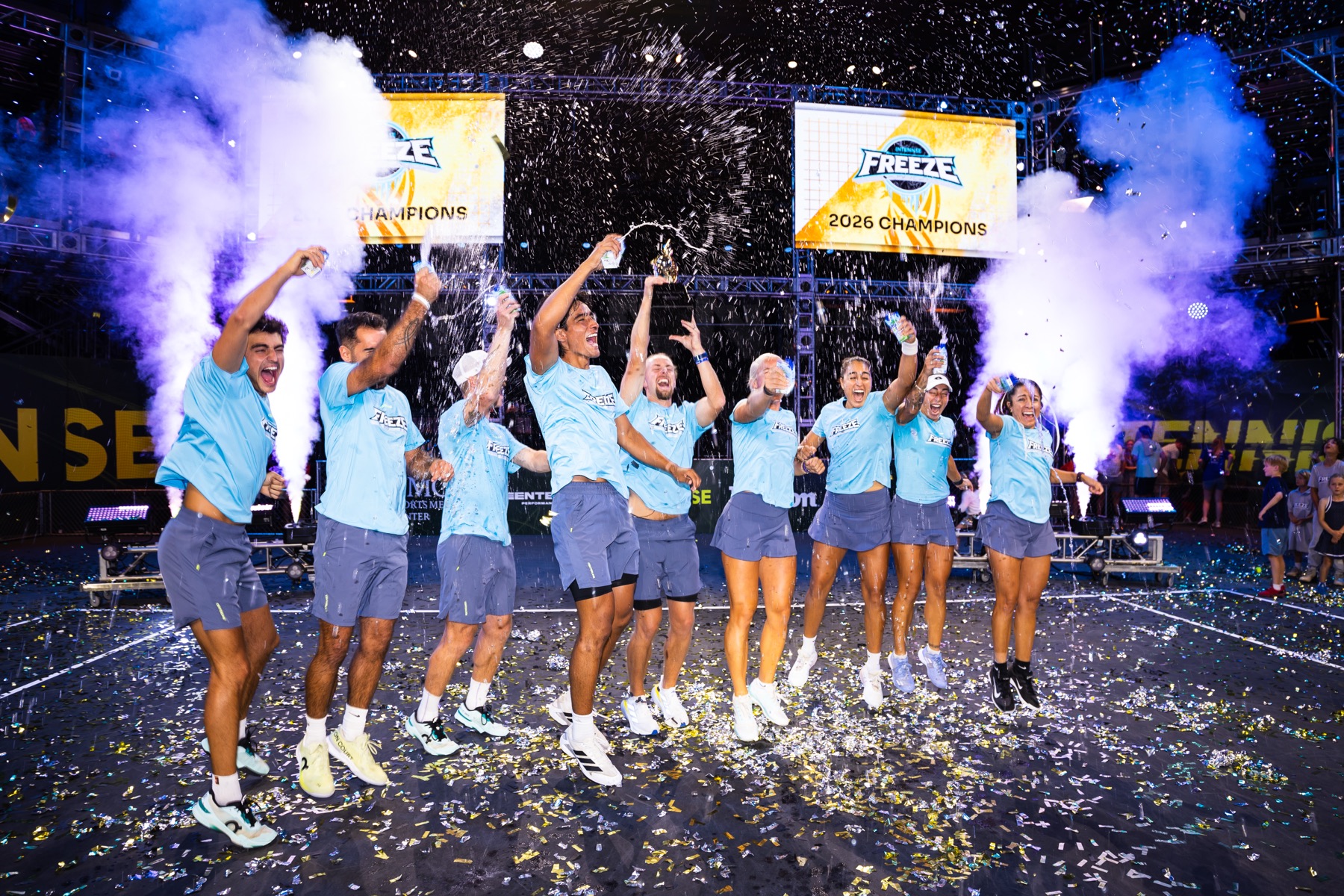
Prepared for Gary and AJ Vaynerchuk · Team Fortune · New York · September 2026
“I want to be the operator.”
Gary Vaynerchuk, on why a one-percent slice of a team he loves doesn’t interest him. A Team Charter isn’t a slice. It’s the team — in New York, yours to run.
Front Office Sports · 10 February 2026 · Ten sections, about six minutes
In the stands at INTENNSE Arena, Atlanta · Season 2
■ A building you already know
The Green Apples have already played in our arena.
Big League Wiffle Ball staged its 2026 Sundays at INTENNSE Arena in Atlanta, on the same production and broadcast stack as our season. You’ve seen the room, the crew and the product work.
“We’ve always believed in the rise of emerging sports — where passion, creativity, and community form before the mainstream arrives.”
AJ Vaynerchuk · October 2025
Why tennis is the unusual case
Most emerging leagues are building an audience for a sport that doesn’t have one yet. Tennis is the opposite. The mainstream arrived long ago — more than a million people went through the US Open last year — and what never arrived is the team.
That is the gap INTENNSE fills: a professional team sport, with a draft, a season and city identity, built on a game people already play and already watch.
■ The market
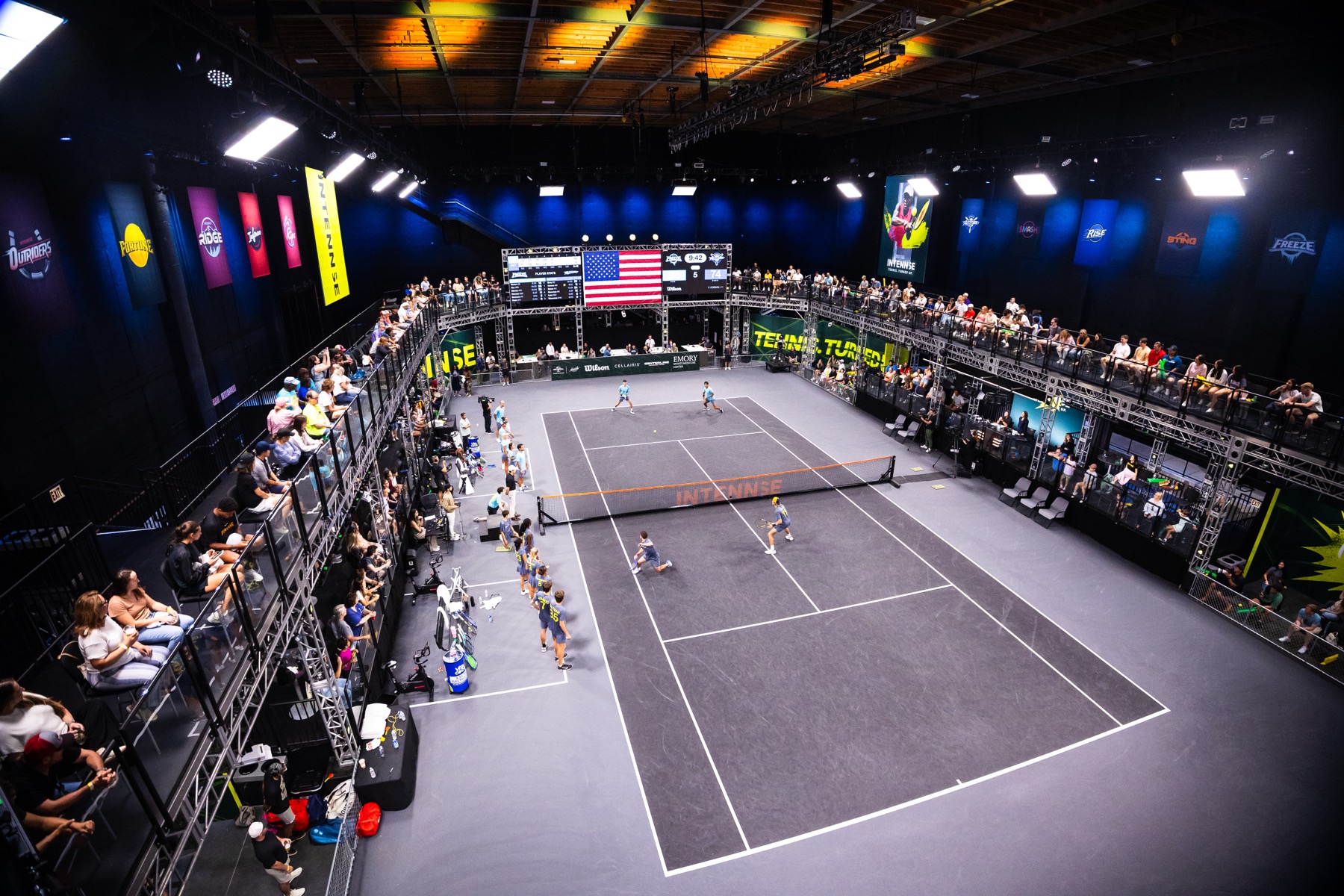
New York gets professional tennis for two weeks a year.
The US Open drew more than 1.1 million people in 2025. The New York Open left after 2020. Outside that fortnight in Queens, the biggest tennis market in the country has no summer professional season of its own.
The largest US metro, 2025 Census estimate.
7.49 million TV homes.
Main draw and Fan Week combined, up 9%.
New York State, northern New Jersey and Greenwich.
The base underneath it
New York’s parks department issued close to nineteen thousand season tennis permits in 2024, and expected more than twenty thousand. The city plays tennis in enormous numbers, all year, on public courts and in clubs across five boroughs and the suburbs. What it has never had is a professional team to follow between one September and the next.
■ Team Fortune

Fortune’s charter is open. So is its home market.
Eight INTENNSE teams have a named partner in their ownership. Fortune is one of two that don’t, and it hasn’t yet been given a city.
The team today
Fortune’s head coach is Tim Siegel: a two-time All-American at Arkansas who played all four Slams on the ATP Tour, then coached Texas Tech’s men for twenty-three years.
The roster already has a New Yorker. Oren Vasser grew up in New Rochelle and came through The Masters School in Westchester before William & Mary and Miami. Roberto Cid was the league’s co-MVP in 2026, and Kate Sharabura was ranked No. 1 in college doubles at Georgia Tech.
The coach, the players and the club program are in place. What Fortune doesn’t have yet is a home, and an owner to build it there.
■ The format you already win with
Co-ed teams. You already know how they win.
The New Jersey 5s put men and women on one roster and won the 2026 Major League Pickleball title. INTENNSE is that structure — three men, three women, one team score — in a sport New York already fills a stadium for.
How an INTENNSE team works
Players are drafted onto teams and paid a $40,000 base to compete, with total earnings of up to $70,000 over an eight-week summer season, and league-provided coaching. This year’s draft drew 373 applicants, 144 of them women — up 748% on the year before.
Each match, which we call an Arc, is time-boxed: it starts and finishes when the schedule says it will. Singles and doubles count equally toward one team score, a serve clock and a single-ball rule keep it moving, and the women’s results decide the tie exactly as much as the men’s. It was built to be clipped, streamed and watched in the room.
■ Residency
Ten home clubs, all in Atlanta — for now.
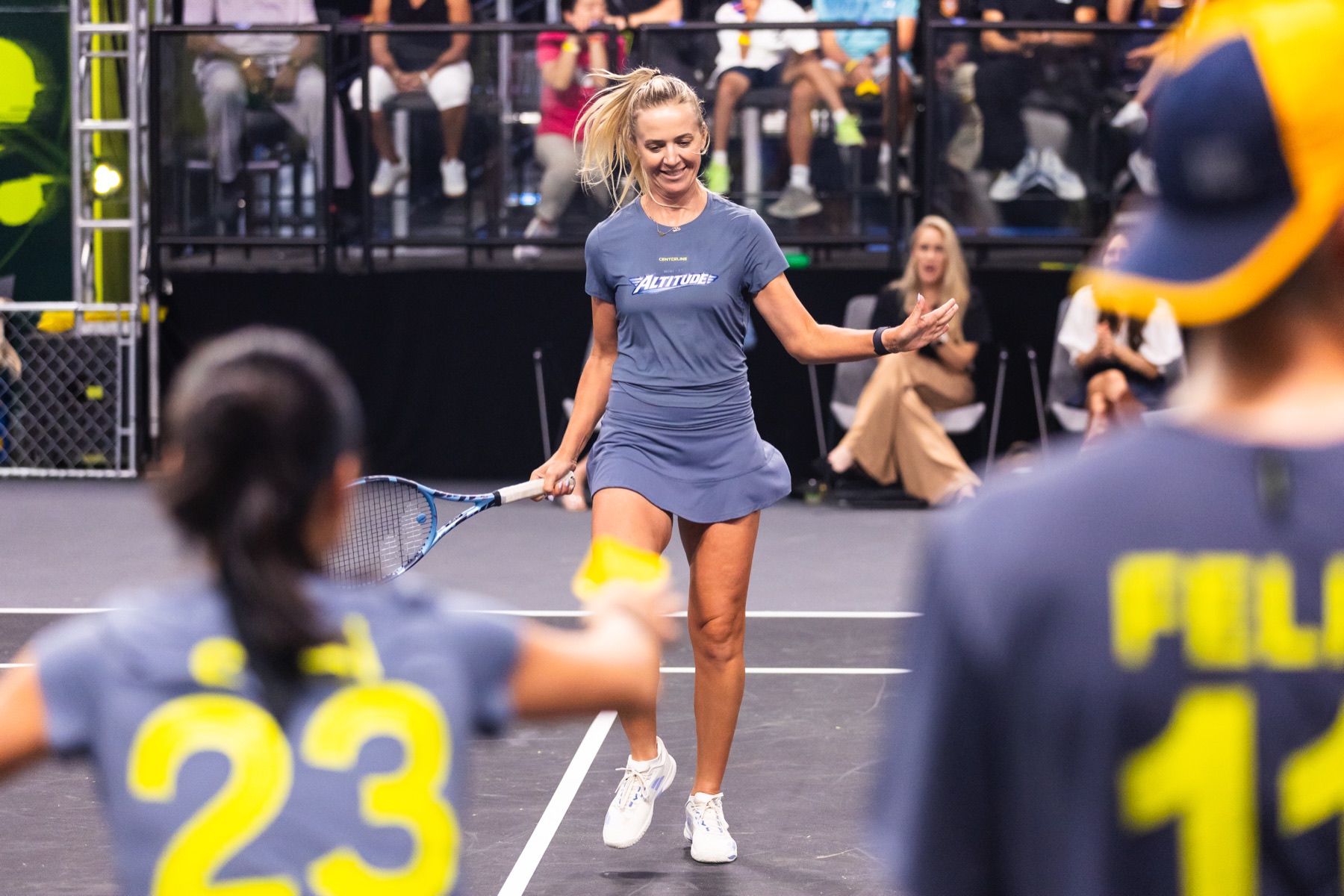
For two seasons every INTENNSE team has lived in metro Atlanta, each at a home club it trains in year round alongside the members. By 2028 every team moves to a home market of its own. Fortune’s could be New York.
What a resident team changes
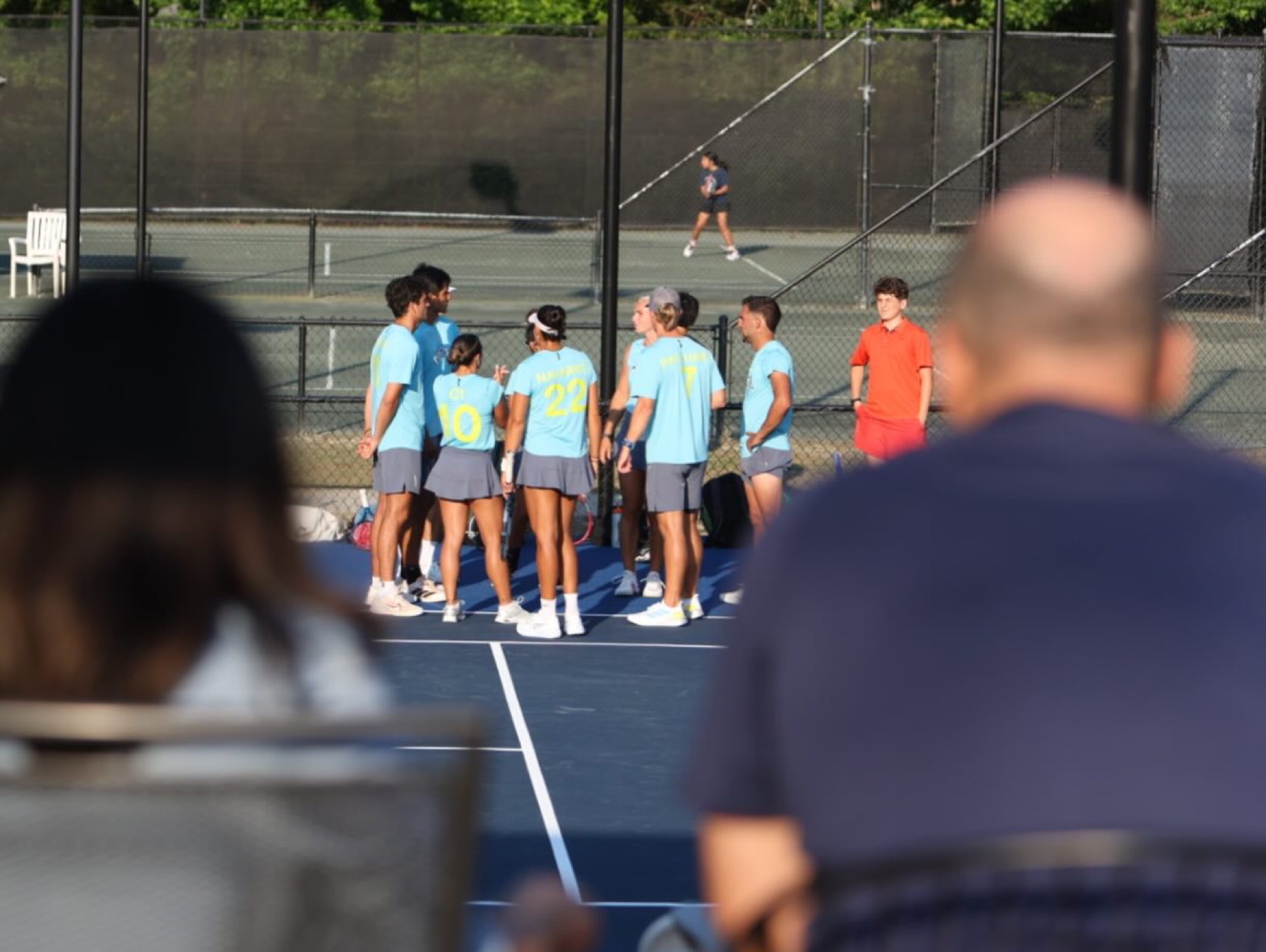
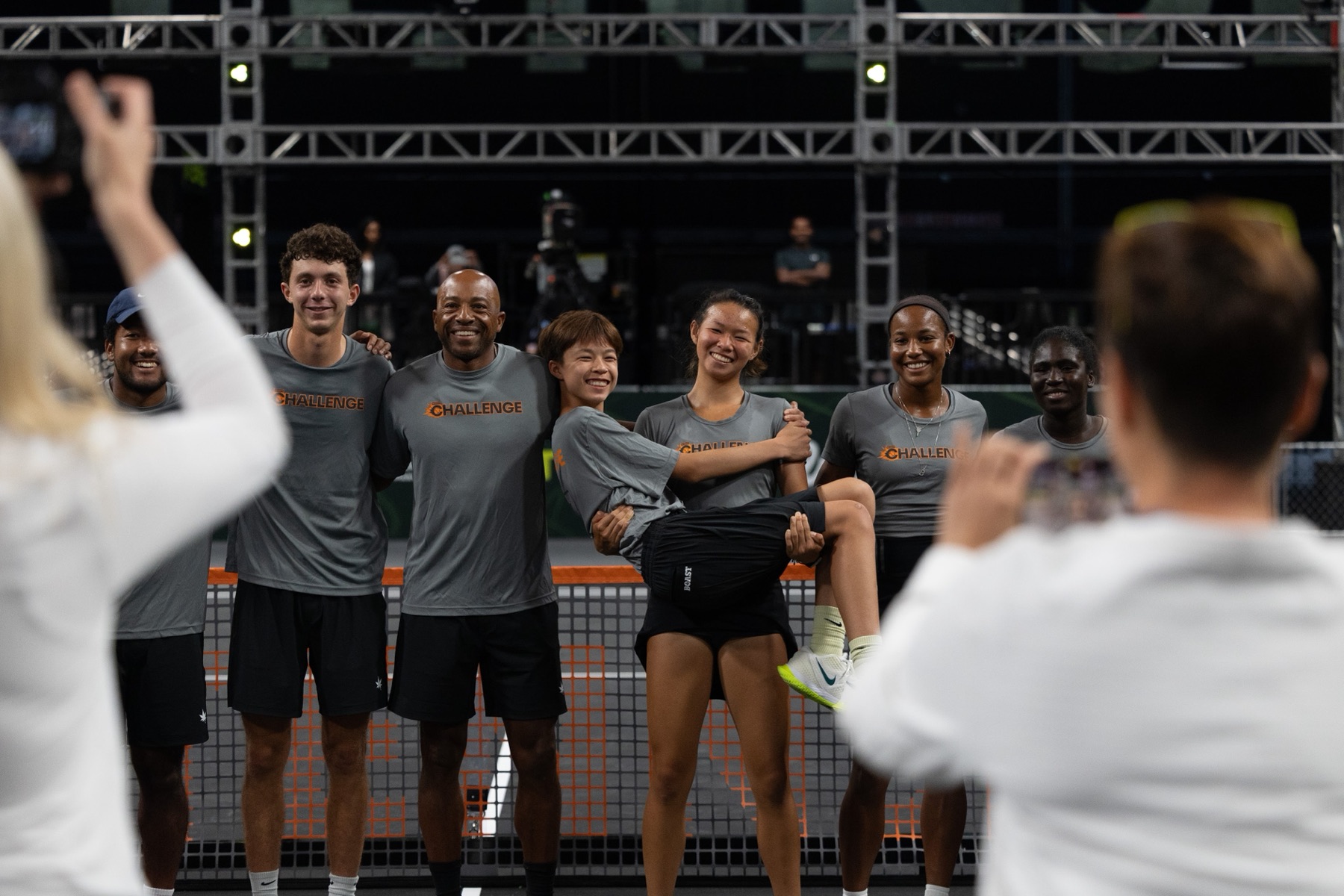
A tournament arrives in a city, is watched, and leaves. A resident team does the opposite: the professionals and coaches are in the building on ordinary days, next to the juniors on the next court and the adult league on a Wednesday night. Fans attach to people they’ve met, in a place they already go — and every one of those people is content.
It also means a team doesn’t need a new building. The format runs on club hard courts, in a dome on a weeknight, on public courts with a portable scoreboard. The arena is where we broadcast from; it isn’t what the format requires.
■ What Season 2 did in Atlanta

A season that already sells.
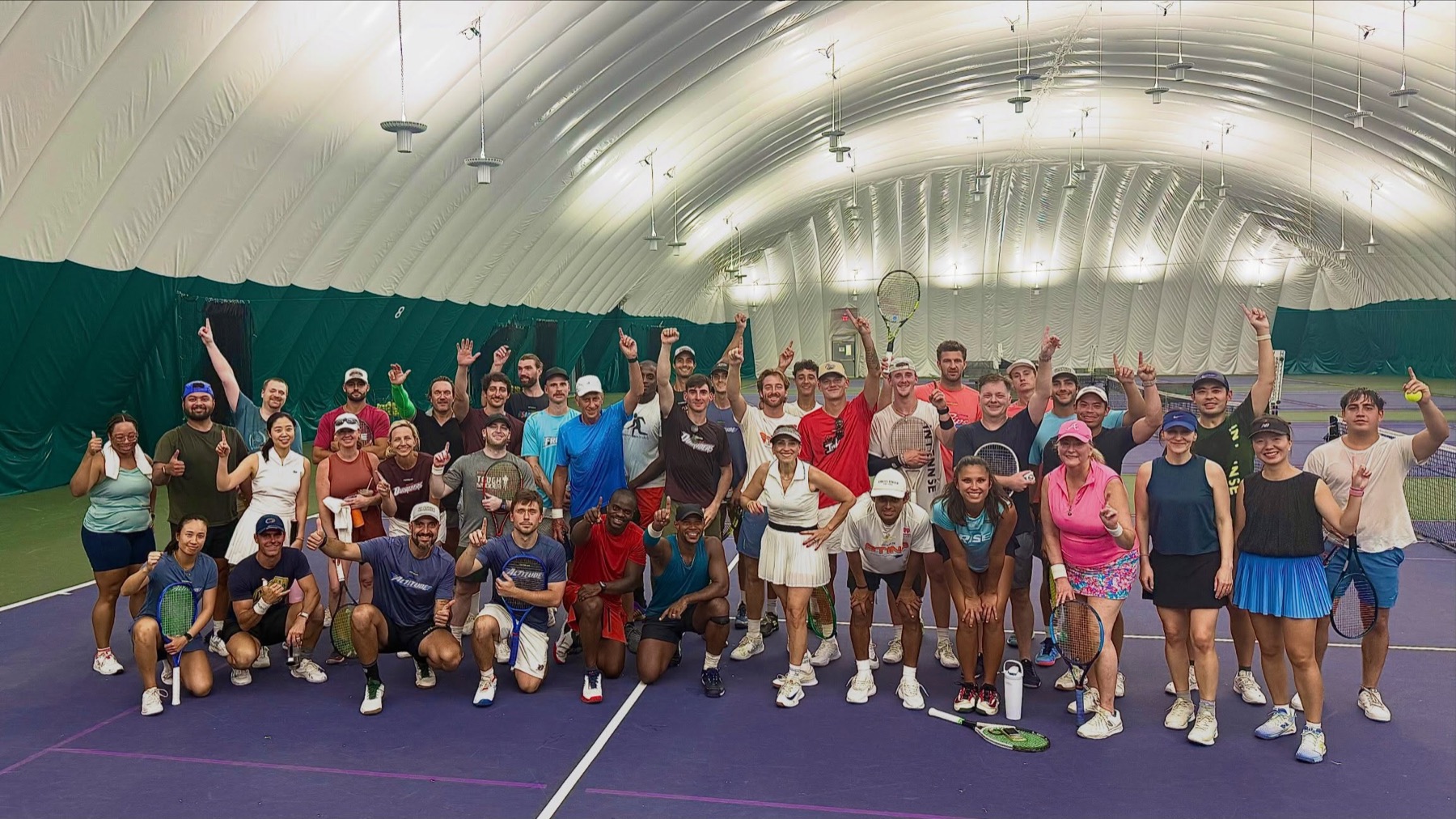
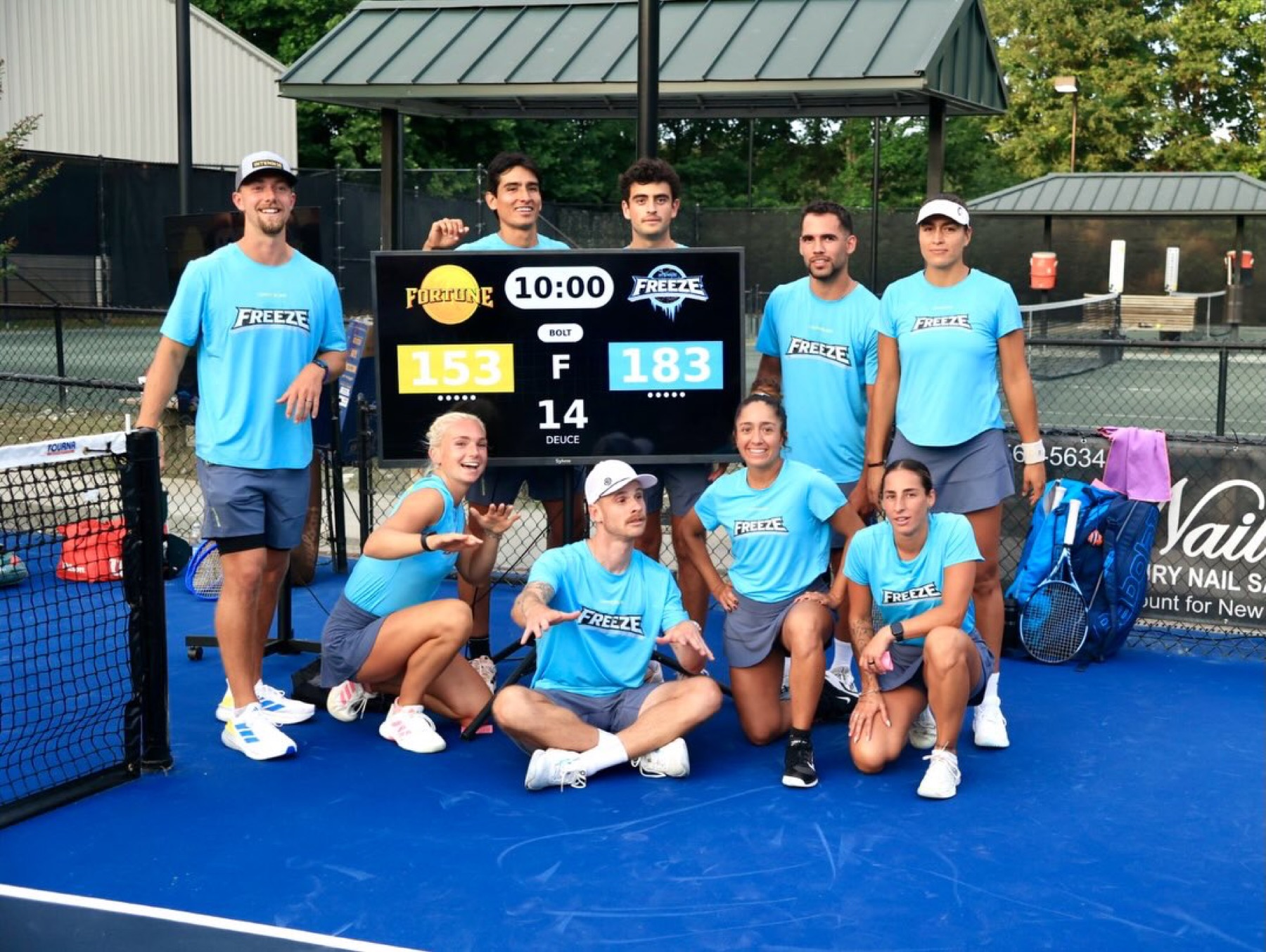
Ten teams, eight weeks, fifty-one matches. Season 2 closed on 1 August with Freeze beating Outriders 137–130 in front of a full house.
The local business
By midseason, attendance was more than four times the year before and had already passed the whole of 2025. Thirteen sponsors signed, twelve of them through relationships already in the city. The average ticket sold for $52, and team merchandise outsold league merchandise.
That is the playbook a New York owner inherits — built in one city, ready to be run in another.
The Rules of INTENNSE, explained · 2:04
Nearly 8,000 fans through a 500-seat arena.
Record live concurrents across the final series.
Two broadcast, two RSNs, seven FAST, three streaming — 60% of watch time on TV.
Average across forty local airings on Peachtree; the best single Arc drew 116,000.
■ What an owner holds
A ten-year charter. You run the team.
Owners hold an exclusive Team Charter for their territory: MLS-style, geographically bound economic rights, not a traditional franchise. Ten years, renewing in five-year terms — and the team’s operations are the owner’s.
The league keeps
- Game
- Format, rules, schedule, officiating
- Brand
- League marks and national sponsorship
- Rights
- Media and data rights
The owner holds
- Team
- Operations and team marks in the territory
- Revenue
- Local sponsorship, ticketing, hospitality, activations
- Content
- Local content within league rules
- Share
- Team merchandise, and a share of pooled league revenue
2026–27
The league operates the team and secures venues while the owner learns the business from inside it.
2028
Operations transfer. The owner appoints a GM, takes ticketing, hospitality and venue, and inherits a community playbook proven over three years in Atlanta.
2029 on
Scale — and a share of the fees from every charter the league sells after the initial offering.
How the economics are built
The owner keeps the large majority of the revenue the team earns locally. Separately, a share of league revenue is pooled and distributed across the teams, so an owner participates in the league’s growth as well as the team’s. From 2029, owners also share in expansion fees as the league adds cities: ten teams in 2027, a home market for every team by 2028, and a market we believe will carry thirty or more teams by 2035.
We’ll be straightforward about what kind of investment this is. It is a franchise-value investment first, and the operating model takes several seasons to turn cash-positive. We’ll walk you through that model, line by line, in the room rather than on a page.
■ What early looks like
The first owners in a league buy the cheapest seats it will ever sell.
That is the pattern in every emerging league that lasted — and New York has spent this year showing how big the crowd behind a new team can get.
What we are not claiming
In July, Gotham FC drew 42,175 to Citi Field, reported as the largest crowd for a women’s sporting event in the city’s history. In April, the PWHL’s Sirens drew 18,006 to Madison Square Garden. Those crowds were built by teams, not by the sport alone.
Not every new league lasts, and nothing about the ones that did is a promise about this one. The argument is only this: if team tennis becomes a real league in America, the charters sold before 2029 will have been the cheap ones. We think Season 2 is the evidence that it will.
■ Who you would be building with
The people behind the league.
■ Pulse Partners, by team
■ Why we sent this
We’re looking for New York’s owners.
Fortune’s first home market, run by people who build fandom for a living — and who’d rather operate a team than own a sliver of one.
Where an hour could lead
We’ll bring the charter, the model and the transition plan, and answer every question about them — in New York, or in Atlanta with Tim Siegel and the team before Season 3.
The charter
Terms, territory and the path from league-operated to owner-operated, walked through in full.
The model
Revenue lines, breakeven and the years to cash-positive — the numbers we left off this page on purpose.
The content
What a New York team’s local content, sponsorship and fandom could look like with your teams building it.